←Return to Blog

Curry and Champagne

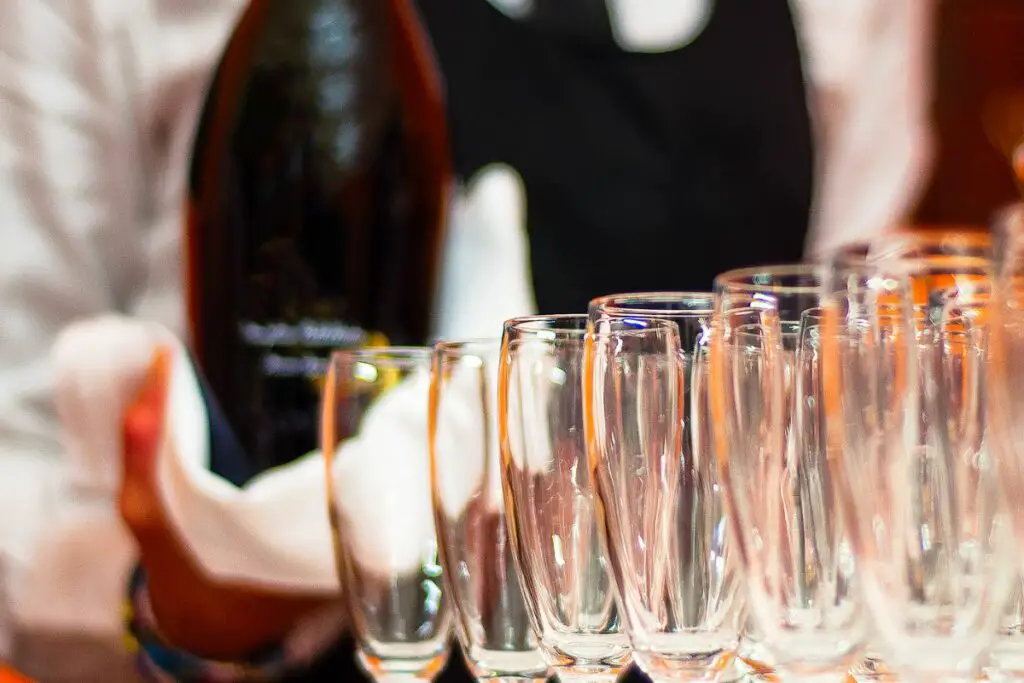
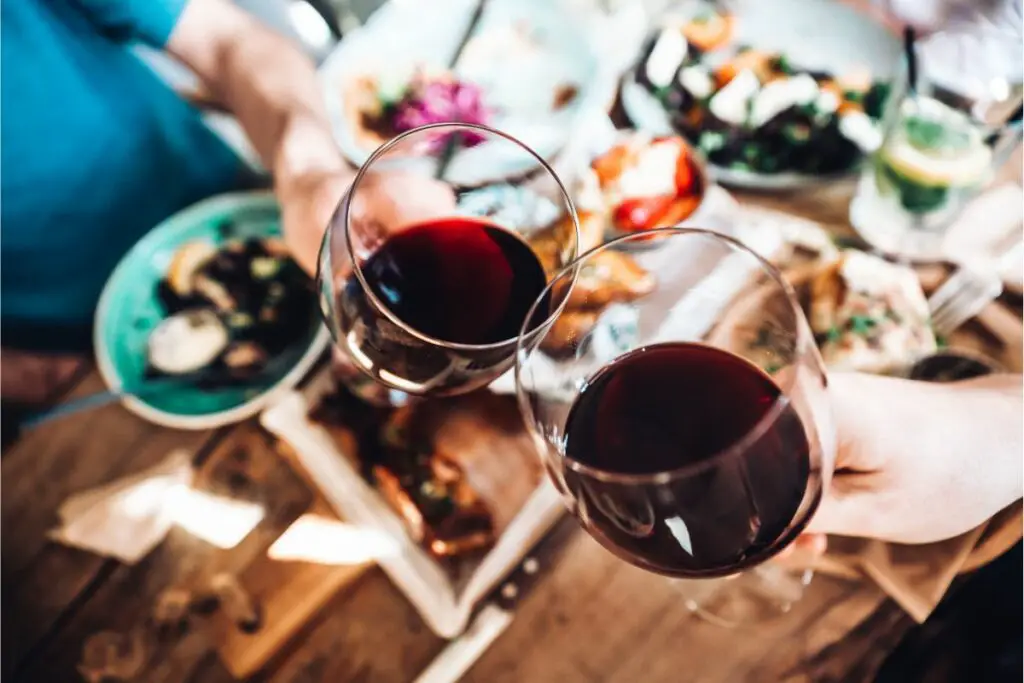
No, I have not taken leave of my senses. Champagne is one of the best accompaniments to curry. Considering that Chicken Tikka Masala is the UK’s number one dish and that Queen Victoria was a great fan of Indian Curry it is not surprising that we are a nation of curry lovers. However, a revolution is taking place against its traditional partner, Beer.

According to scientific research Champagne, in particular, stimulates the palate and the flow of gastric juices as Champagne raises the stomach aid to 95% of its maximum level. Beer only raises it to 85%. To put this in layman’s terms it has a “mouth watering” effect.

People are waking up to the idea that Champagne can compliment the exotic aromas and spices in Asian food. Fiona Beckett writes extensively on food matching www.foodandwinematching.co.uk and her article on the Cinnamon Club in London explores the different wines to drink with curry. London now has some of the most sophisticated Indian restaurants in the world and the Cinnamon Club is run by sommelier Laurent Chaniac and chef Vivek Singh. They have tried to pin down the effect that individual spices or groups of spices have on wine and which types of wine they suit.

They recommend a white wine with refreshing acidity and a certain amount of residual sugar to go with hot dishes. Acid tones down the heat and leaves room for the fruit to express itself. For dishes dominated by chillies and cloves they recommend aromatic whites or soft reds.

Chaniac and Singh say that Champagne goes very well with dishes based on Ginger. We all know that it compliments the fruitiness of Strawberries. As fruitiness and sweetness rise in relation to chilli heat Champagne seems to be the ideal partner for the sweet/savoury taste curry can have. Indeed, some Champagnes have been said to have a “curry-like nose”.

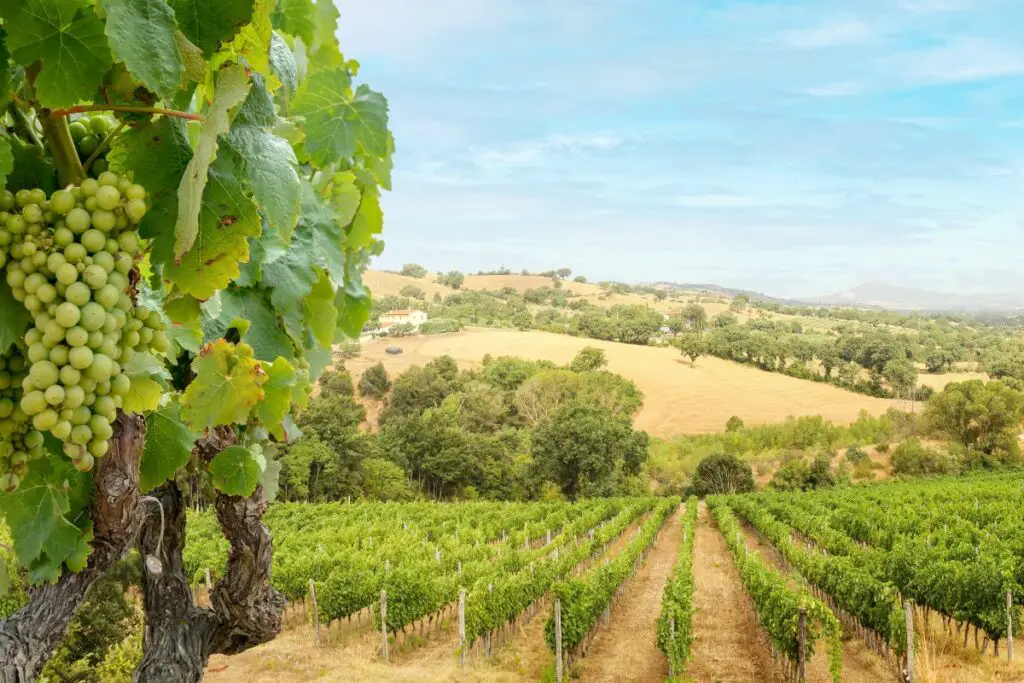
I discovered some superb Champagnes when I found Philippe Seconde, who lives right in the heart of the Champagne region, in a hamlet called Bouzy – quite an appropriate name really! Bouzy is situated between Reims and Epernay and in an area referred to Montagne de Reims. Such Champagne Houses as Taittinger and Moet can be found just up the road.

Living and working ‘over the shop’ Philippe has been producing Champagne for many years. He is a 5th generation producer and sells his produce all over the world. His cellar or ‘Cave’ is situated approximately 28 metres under his premises. Accessed by a lift his cellar is dug out of chalky rock and provides the perfect environment for cellarage. This is very important as his Champagne is aged in the bottle between 2 to 8 years.

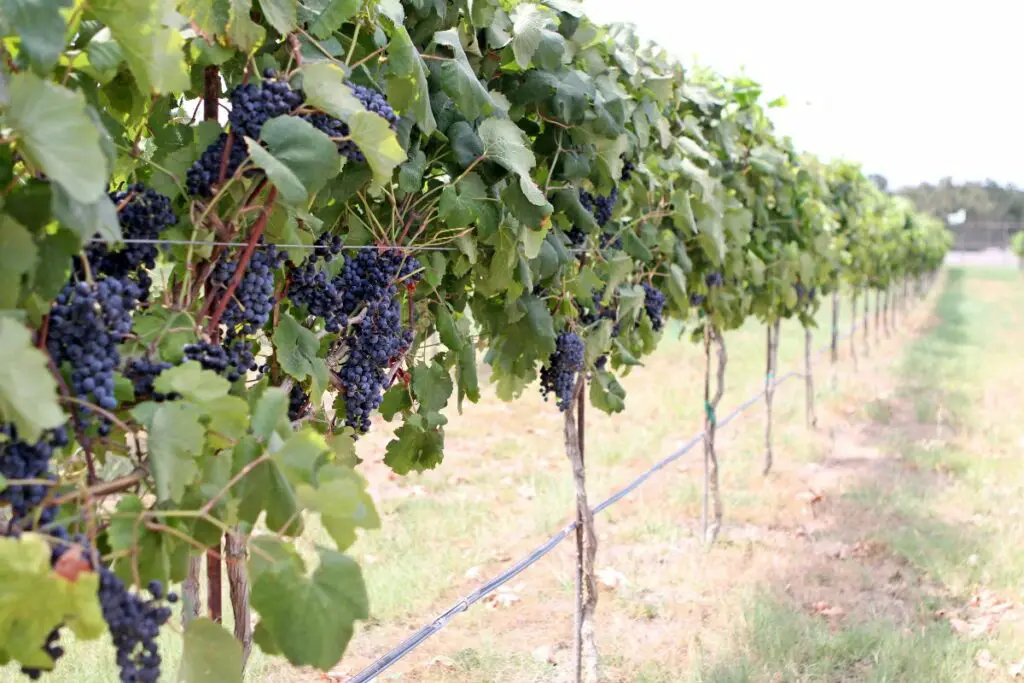
Phillipe’s Blanc de Noir Champagne offers a very interesting pleasure and for those regular Champagne drinkers amongst us, it may offer an unexpected surprise – vive la difference! Blanc de Noir is made purely from red Pinot Noir grapes as opposed to Blanc de Blanc which is made from white grapes. It is golden in colour with fine bubbles which produces scents of spices, wheat, fresh flowers, plums and white fruits. In the mouth it is full bodied, well balanced with plenty of spicy fruits. A perfect partner to Curry!

Believe it or not Pink Champagne also goes well with Curry. Phillipe’s Authentic Rosé Brut Champagne is made from 50% Pinot Noir and 50% Chardonnay grapes. It’s a lovely, almost strawberry in colour Rosé, with plenty of fine, lively bubbles. On the nose it’s full of fruit and berries and in the mouth it becomes a full bodied fruity almost ‘Kir Royale’ taste.

Onion Seeds and Carom seeds soften the tannins in wine and open up the fruit of young wines such as red Bordeaux. Fennel and Dill match minerally white wines from Bordeaux – the Sauvignon Blancs. Although oak does not go with spicy food Chardonnay has an affinity with cashew nuts and sesame seeds.

In a similar vein Warren Edwardes, a former investment Banker, has opened his company http://www.wineforspice.com/ which is a business which aims to find the right wine to complement Szechwan Chinese, Indonesian, Malaysian, Thai and Mexican foods. His sparkling wine is sourced from Cava del Ampurdos, Perelada in Spain’s Costa Brava.

He advises that the wine should be without tannin which is mouth drying. The wine should be free from oak which clashes with the spice giving a bitter, harsh after taste. It should be semi-sparkling in nature which is refreshing and provides a good level of mouth watering acidity. Excess alcohol can add to the burning sensation of chillies so it should not be over 12%. He says that sparkling wine adds “zing” and brings out the flavour of Asian food.

In fact, India has been making its own wine to accompany its dishes. It is made precisely in the same method as Champagne and is called Omar Kayyham. It is produced by Chateau Indage, high in the Sahyadi Valley of western Maraharashtra out of Chardonnay grapes. If the sub continent itself favours this wine to match their spicy food shouldn’t we take a lesson out of their book and try Champagne?

Images Courtesy of www.yotophoto.com and www.flickr.com

Did you like this? Share it:
This entry was posted in Champagne, Recipes/Food and Wine Pairing. Bookmark the permalink.

One Response to Curry and Champagne

  1. Warren Edwardes says:

    Nick

    Nice note on Champagne and Curry.

    Not too difficult a step from the ubiquitous Lager and Curry. Lager in fact is open vat fermented and the CO2 is pumped back in. Much better to have natural gas through fermentation. The bubbles are much finer and easier on the stomach.

    I did think of Champagne, Cava and Sparkling wines in general but found that with food a fully sparkling wine has just too much gas coming in at about 6 atmospheres.

    That’s why my entire range is of second fermented semi-sparkling wines coming in at about 2.4 atmospheres. As it happens such a wine is taxed as per a still wine in te UK so why pay extra for superflous gas?

    As you pointed out I avoid tannins – so no red wines at the moment.

    Best

    Warren Edwardes
    http://wineforspice.com

Leave a Reply

Your email address will not be published. Required fields are marked *

*

You may use these HTML tags and attributes: <a href="" title=""> <abbr title=""> <acronym title=""> <b> <blockquote cite=""> <cite> <code> <del datetime=""> <em> <i> <q cite=""> <strike> <strong>