guides and advice for
FABULOUS WINE ENTHUSIASTS
passionate about wine
This blog is for anyone who loves making, sourcing, learning about and drinking wine.
Welcome to Bordeaux Undiscovered! Wine is not just a hobby or a drink, but a passion that appeals to all the senses. Wine also tells a story about a location and its history. Thanks for visiting!
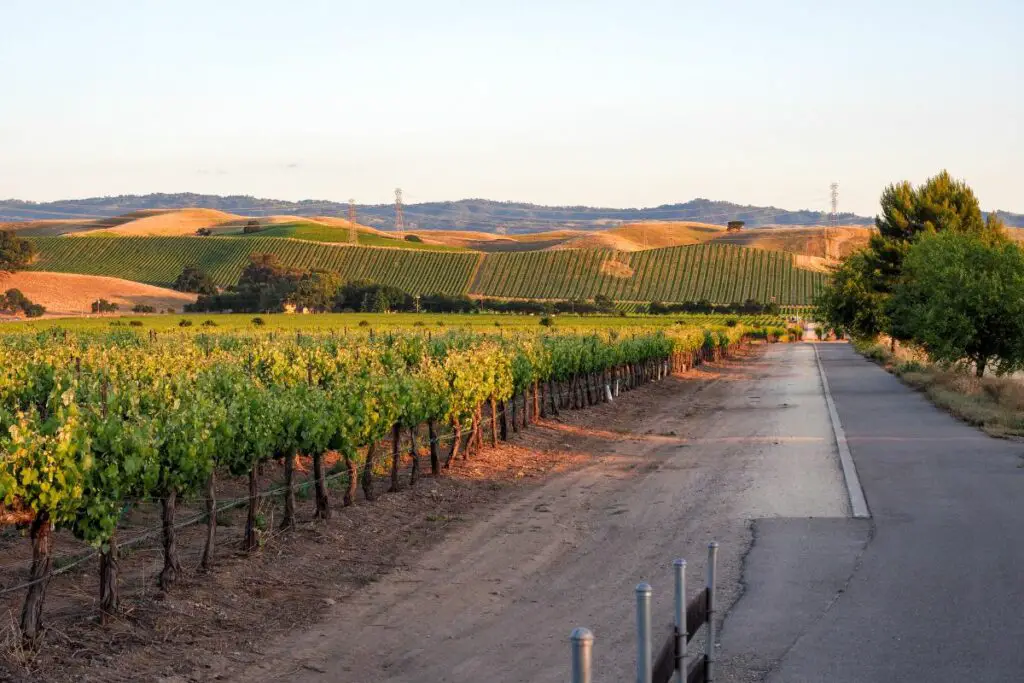
Best Wineries in Livermore
The Livermore Valley is one of California’s oldest wine-producing regions. The first grapes were planted…
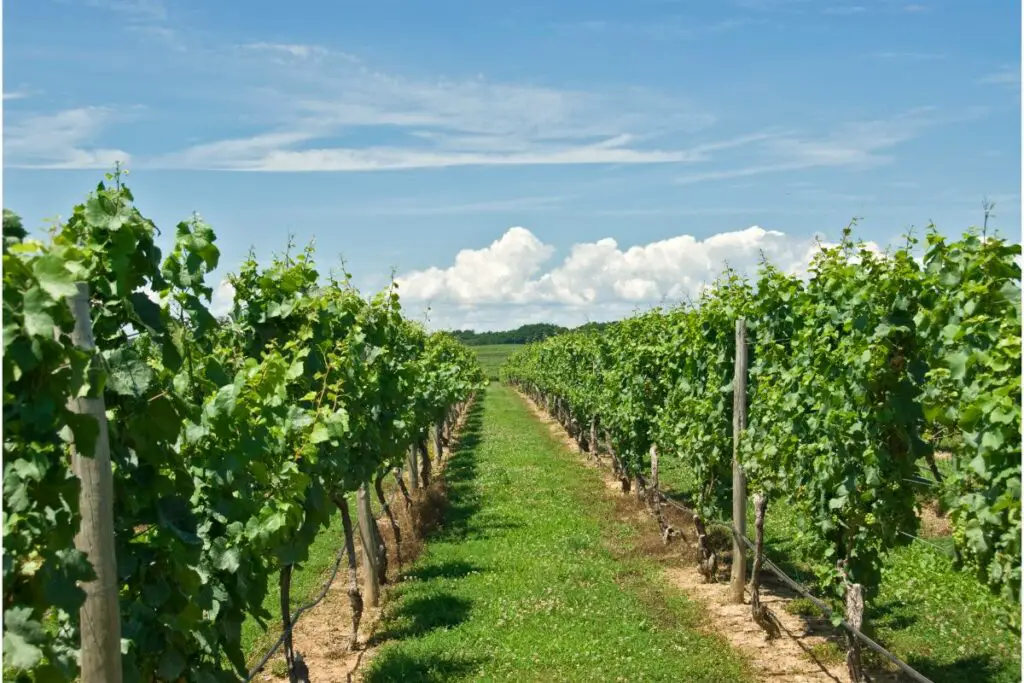
Long Island Wineries
Long Island wineries are the largest producers of European grapes in the northeast of the…
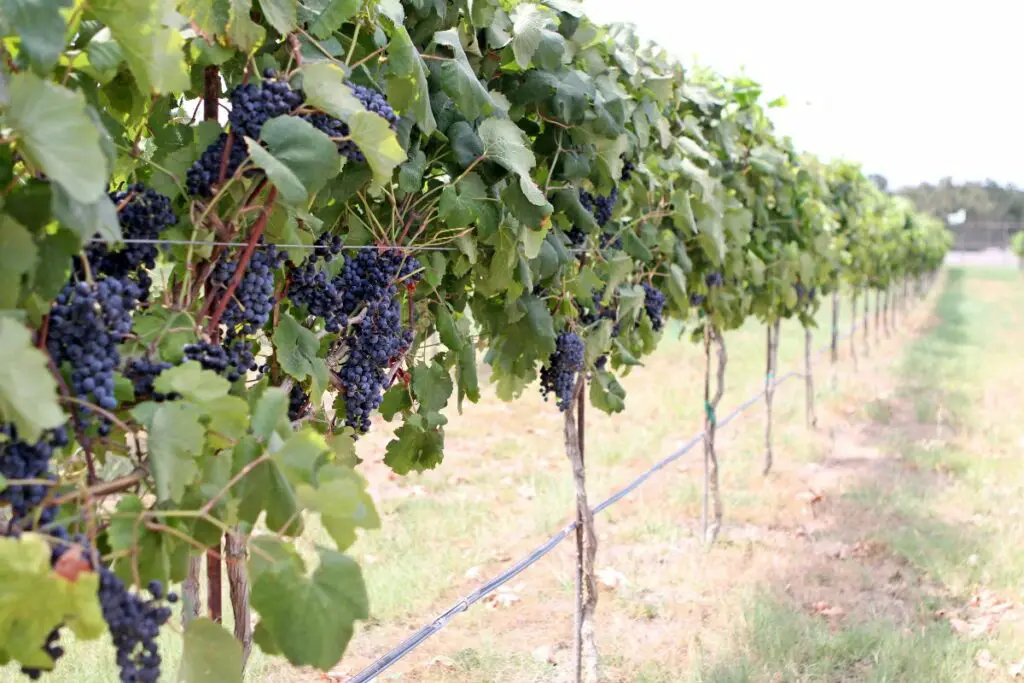
Wineries in San Antonio, Texas
The loam soil in the San Antonio area of Texas is perfect for cultivating grapes….
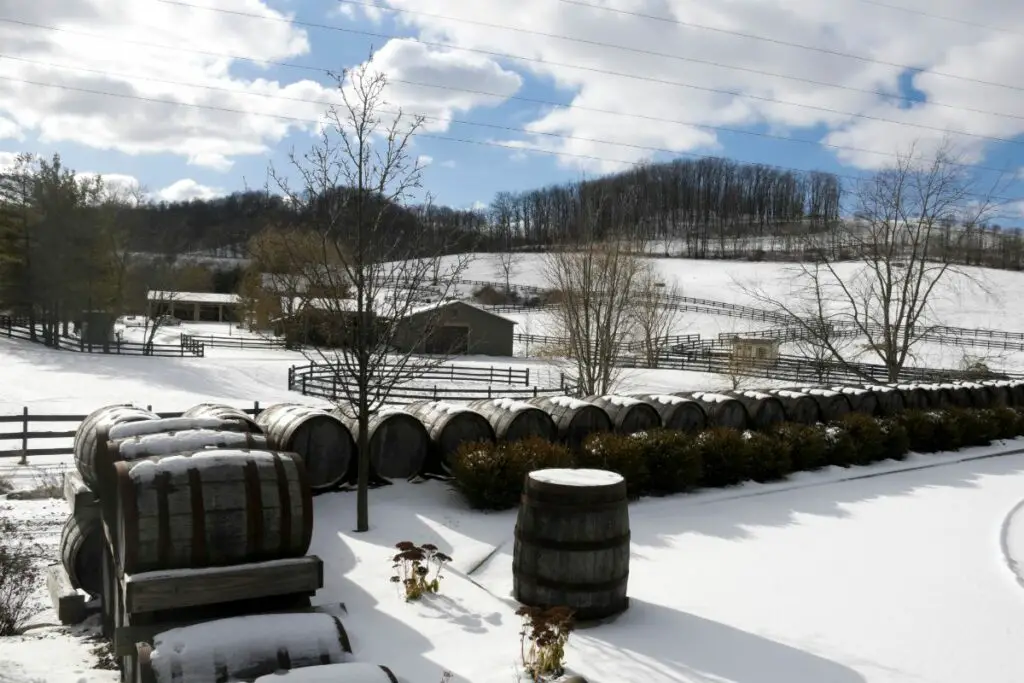
The Best Wineries in Geneva, Ohio
It’s not only on the west coast of the US that you will find excellent…
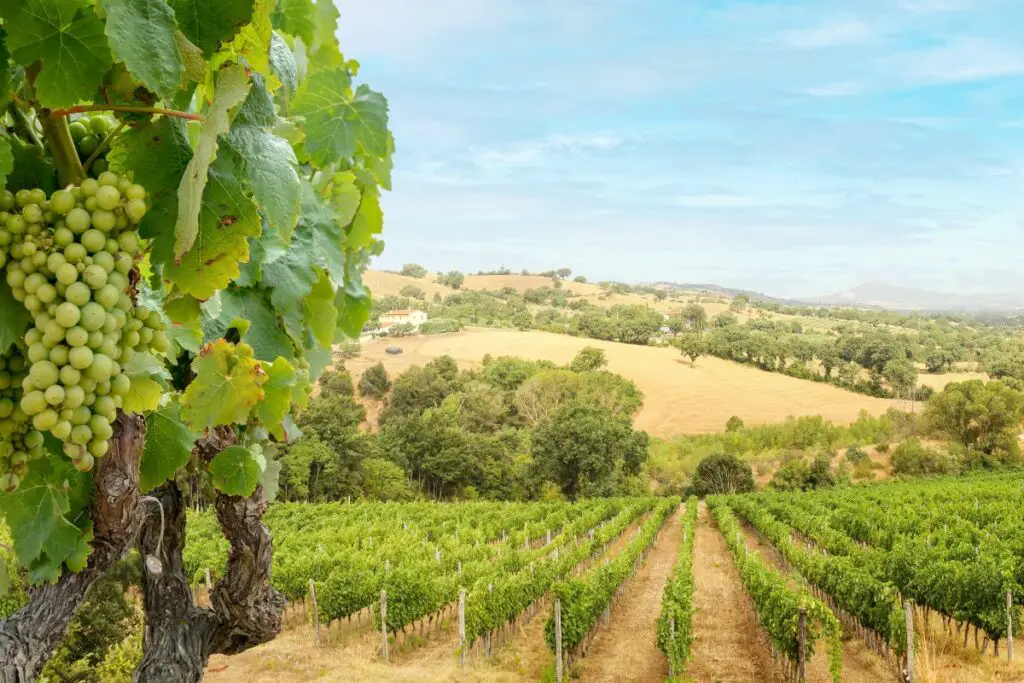
Missouri Wineries
If you are a lover of wine, chances are that you have visited wineries for…
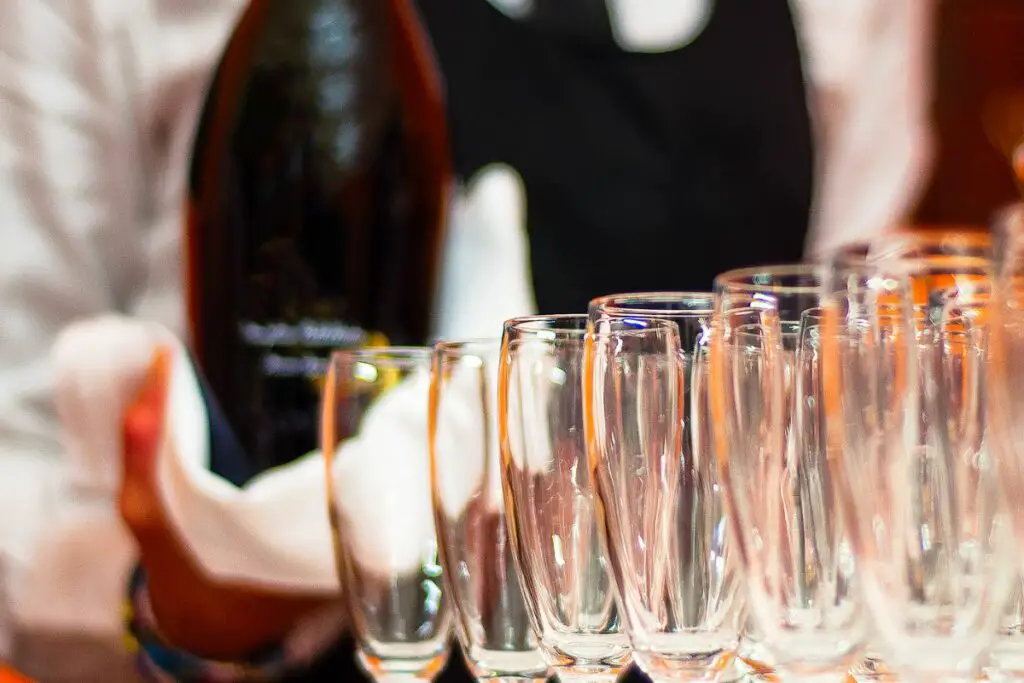
How Much is a Serving of Wine?
If you drink wine on a regular basis you will know how much a serving…

Why Does Wine Make Me Horny?
When you drink alcohol, changes happen to your body, which will vary according to how…

Italian White Wines
Italy is well-known for its wines and wineries. Red, white, and rose wines are produced…
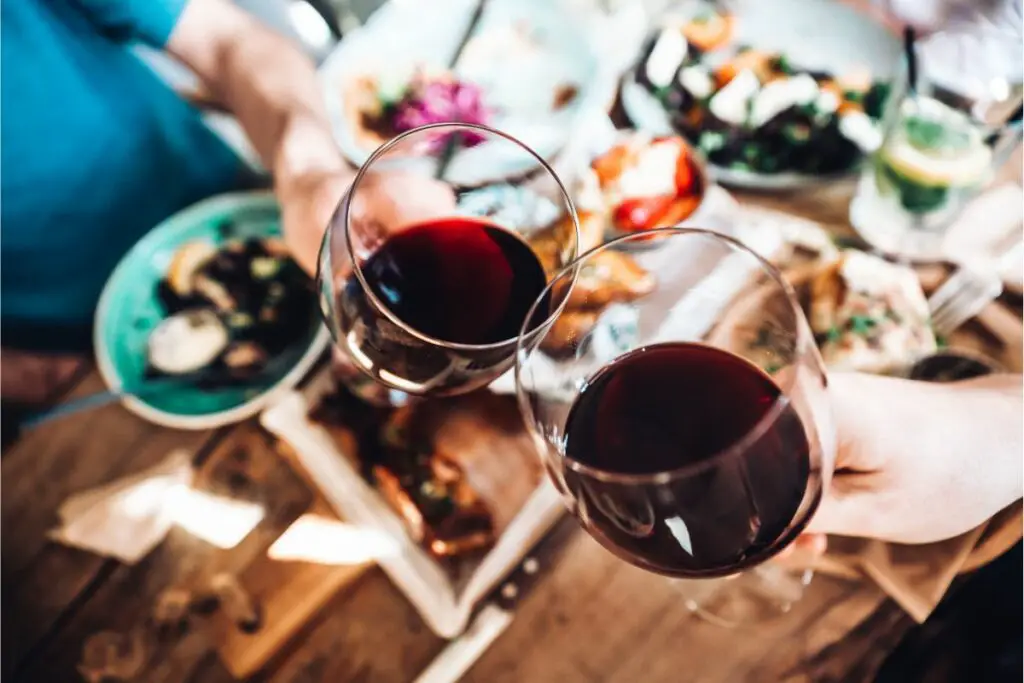
Which Wines Can You Pair With Indian Food?
You might not think of pairing wine with Indian food and opt for a beer…
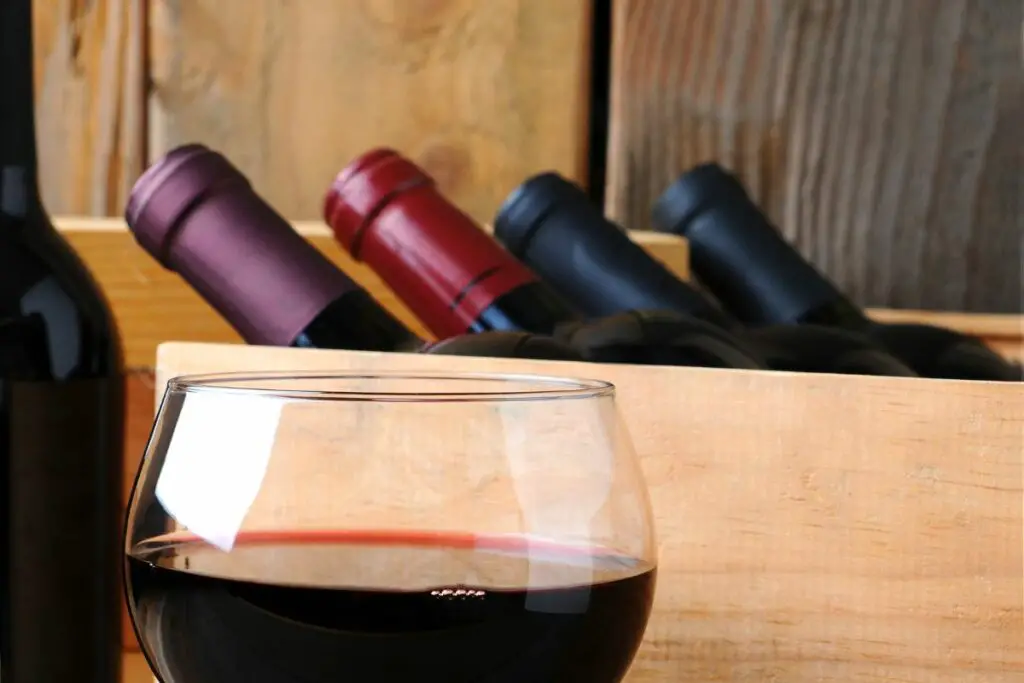
How Many Bottles Are There in a Case of Wine?
Maybe you are going to host a party and aren’t sure how many bottles of…
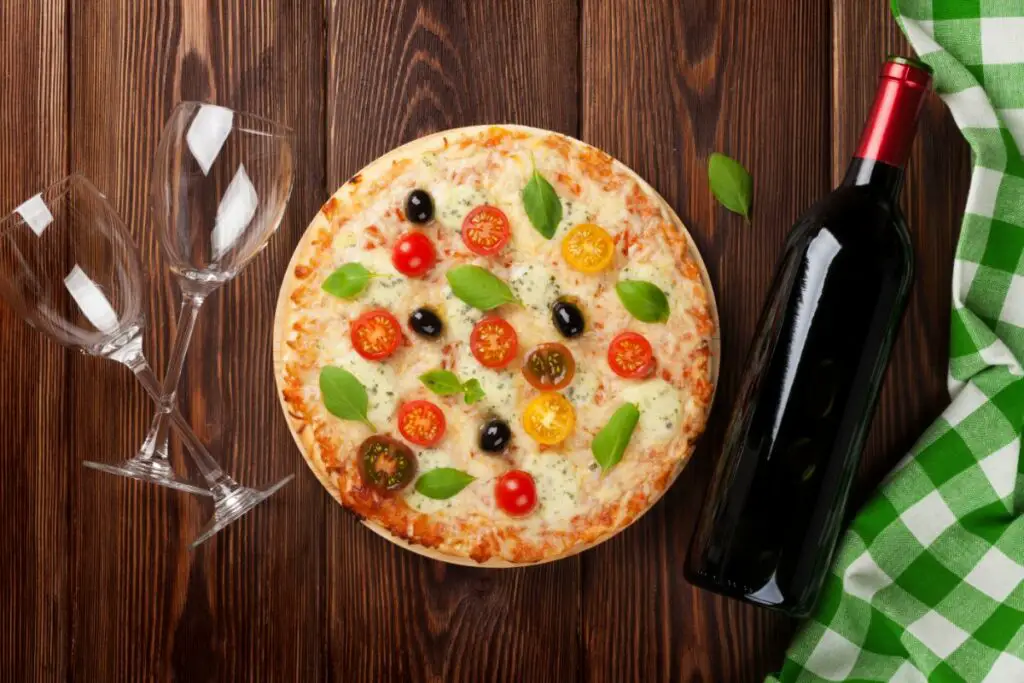
What Wine Goes With Pizza?
Many people think of eating pizza with a soda or beer but wine is also…
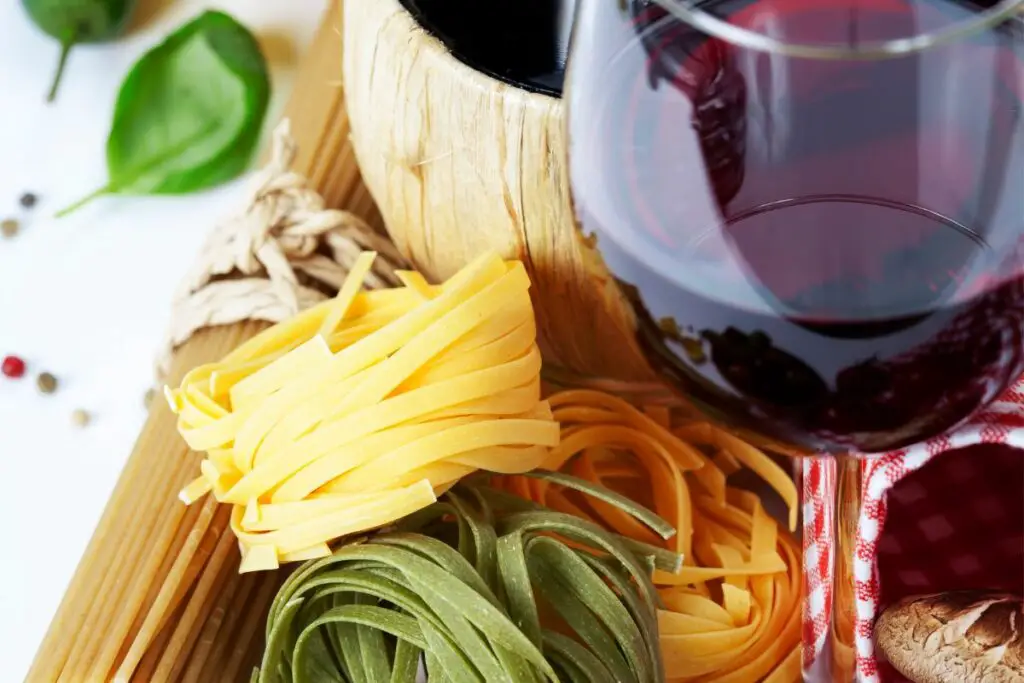
Which Wines Pair With Pasta?
Pasta is a popular choice whether eating in or going to a restaurant. There are…
